Dampness · 湿与排毒
Dampness, digestion, and what “detox” can mean
Connect the classical fluid model with later dampness theory, ordinary meals, and the limits of commercial detox claims.
饮入于胃,游溢精气,上输于脾。脾气散精,上归于肺。素问 · 经脉别论
Classical anchor · 素问 · 经脉别论
饮入于胃,游溢精气,上输于脾。脾气散精,上归于肺。
Editorial translation
Drink enters the stomach; its refined qi is distributed upward to the spleen. The spleen disperses this refinement upward to the lung.
Meaning in context. The passage describes connected functions of stomach, spleen, lung, and subsequent fluid pathways. Later Chinese medicine organises this material into its account of transformation and transportation.
Application today. Use this to understand why traditional assessment considers eating, digestion, and fluids together. Everyday care begins with suitable meals and ordinary activity, not a self-prescribed purging routine.
Reading limit
This is a historical functional model, not a diagram of modern anatomy. Internal dampness is not simply wet weather or excess drinking water.
A traditional pattern, not a humidity reading
Dampness (湿) is part of traditional pattern reasoning. The spleen’s transforming and transporting functions describe the traditional processing and distribution of food and fluids; difficulty in that account can be interpreted in relation to dampness. The traditional spleen is not identical to the anatomical spleen. Living in humid air, feeling heavy, or being tired does not by itself establish a dampness pattern.
From fluid theory to the dampness topic
The Jing Mai Bie Lun describes drink entering the stomach and refinement being distributed through the spleen and lung. Later theory connects impaired transformation and distribution with patterns such as dampness. That chain of reasoning explains the traditional vocabulary, while a pattern assessment still requires more than one sensation.
What you can change in ordinary life
Keep meal times workable, use varied familiar foods and suitable portions, and avoid replacing meals with sweet drinks or alcohol. Add manageable activity and rest. A humid room can be addressed for comfort and maintenance, but drying the room is not the same as treating internal dampness.
Make “detox” precise
Traditional discussions of clearing heat or resolving toxic influences have particular clinical contexts; “toxin” is not a universal substance stored in every tired person. Commercial detox claims require evidence about a specific substance and effect. There is no compelling research supporting detox diets as a general way to eliminate toxins. Do not use purging, fasting, or excessive sweating as a cleansing target.
When a recipe is not enough
Persistent swelling, digestive changes, or fatigue deserve assessment rather than a self-selected dampness-removing tea. Herbs and supplements can have adverse effects and interactions. We do not recommend a medicinal formula or infer a diagnosis from a questionnaire.
Apply the idea
Which one adjustment can you sustain without adding strain?
中文要点 · Chinese summary
湿是传统辨证概念,与脾的运化功能相关,不等于环境潮湿或身体有一种可排出的“脏水”。祛湿先讲日常饮食与活动的合理安排,不凭乏力腹胀自行开方。“排毒”必须说明具体含义;不能承诺禁食、泻药或出汗能清除未定义毒素。持续不适应接受评估。
Follow a related idea.
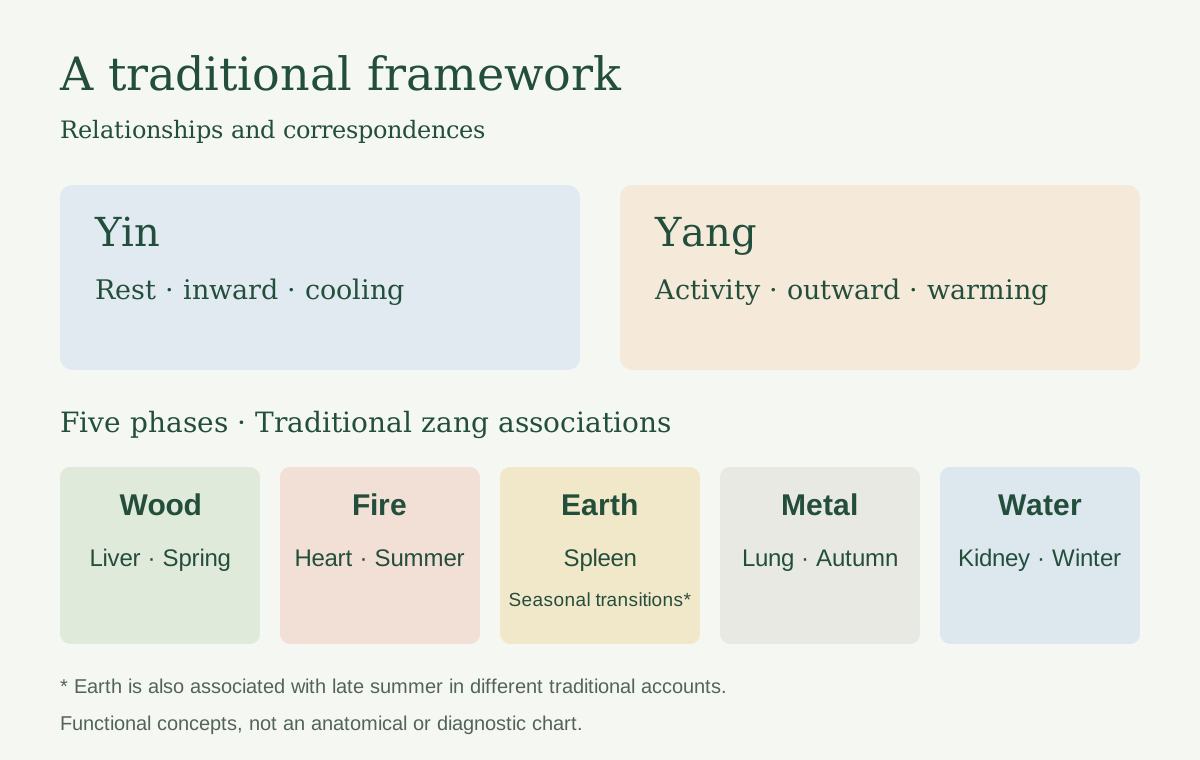 Yin–yang, five phases, and the functional body →
 Eat with the season; keep the meal balanced →
A word unfamiliar? Read the short glossary →
素问 · 经脉别论. Chinese excerpts: Chinese Text Project. English renderings and present-day examples: our editorial work.
Other classical context in this guide: Suwen · 阴阳应象大论; contemporary clarification of commercial detox claims.
Additional context: WHO · Healthy diet.
Additional context: NCCIH · Detoxes and Cleanses.