Four seasons · Twenty-four solar terms
The 24 Chinese solar terms.
A year of seasonal care.
The solar terms divide the Sun’s apparent annual path into twenty-four steps of 15 degrees. Their traditional imagery reflects Chinese seasonal experience; local weather and southern-hemisphere seasons may differ.
Today · China standard time · UTC+8
十月十一 · Day 11 of lunar month 10 (2026)
Solar-term period: Beginning of Winter 立冬 · Nov 7, 2026 – Nov 21, 2026.
Next: Minor Snow begins .
This date is calculated when the page opens. Solar-term periods use civil dates, not the exact astronomical transition hour. Your local date or weather may differ.
Chinese seasons, solar terms and the five-season framework
Spring, summer, autumn and winter each contain six solar terms. The terms are calendar markers, not a promise about the weather outside your window. Traditional Chinese medicine also uses a five-season framework that includes Long Summer, associated with Earth and the Spleen in that traditional model. It is a different explanatory framework, not a 25th solar term or a diagnosis from the date.
Start with four-season daily care or explore yin–yang and the five phases.
What is the third solar term?
In the usual seasonal sequence beginning with Beginning of Spring (立春), the third term is Awakening of Insects (惊蛰). In a January-to-December list beginning with Minor Cold (小寒), Beginning of Spring is the third entry. Check where the list starts; the calendar events themselves have not changed.
How are solar terms different from lunar months?
Solar terms follow the Sun’s annual path; lunar months follow the Moon’s phases. The traditional Chinese calendar brings these two cycles together. A solar term’s Gregorian date can vary by year, so use the calendar for a particular date and the term guides for seasonal meaning and daily-care priorities.
Apply the four-season framework → · Compare Gregorian and Chinese lunar dates →
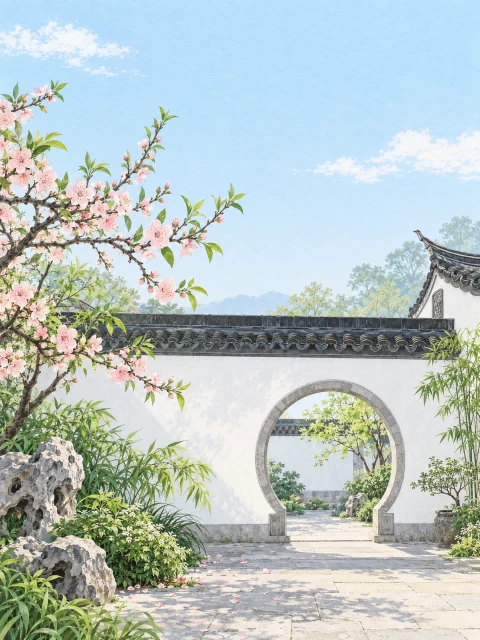
Emerge
Spring
Notice what is beginning. Leave room for a slower start.
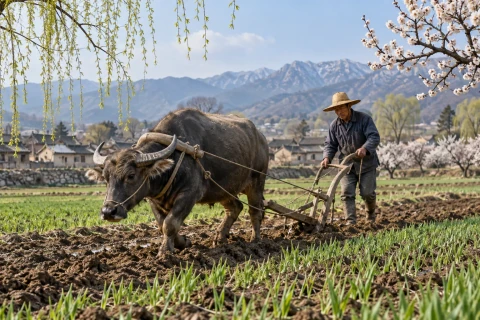 立春
Beginning of Spring
Choose one beginning you can repeat
Explore → 雨水
Rain Water
Keep a changed day from becoming a rushed day
Explore →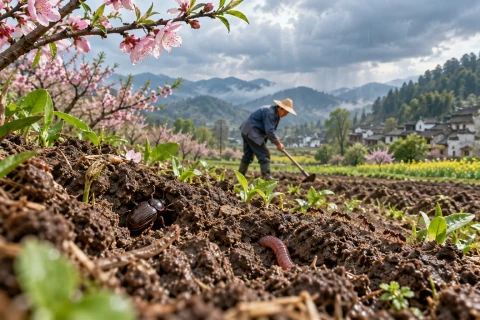 惊蛰
Awakening of Insects
Give movement a beginning and an ending
Explore → 春分
Spring Equinox
Put effort and recovery on the same page
Explore →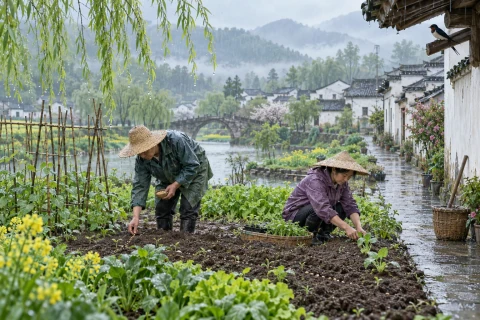 清明
Clear and Bright
Prepare for the outing you actually have
Explore →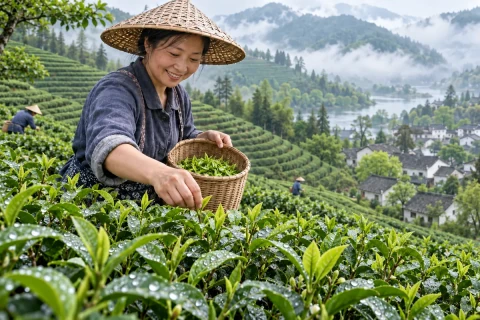 谷雨
Grain Rain
Carry a workable meal routine into the next season
Explore →
Develop
Summer
Let activity be generous, not relentless.
 立夏
Beginning of Summer
Prepare one place for the weather ahead
Explore → 小满
Grain Buds
Give lunch a dependable place
Explore →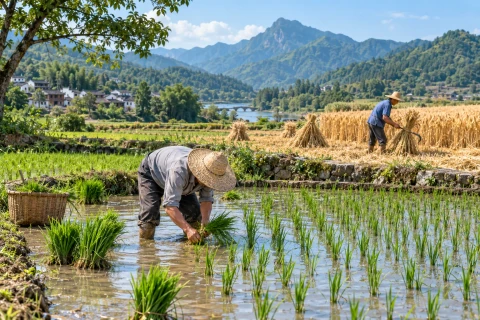 芒种
Grain in Ear
Put a break inside the demanding part of the day
Explore →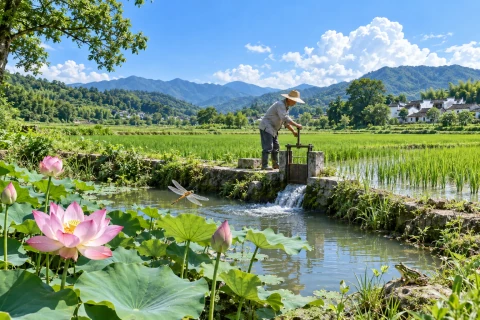 夏至
Summer Solstice
Give the day an ending that fits your local light
Explore →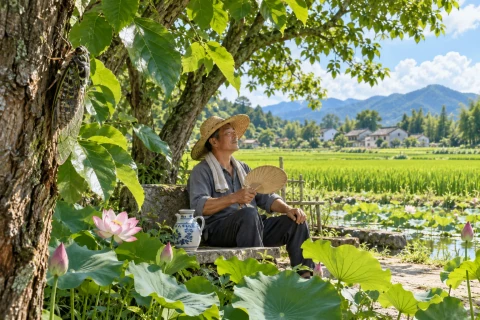 小暑
Minor Heat
Plan one outing all the way home
Explore →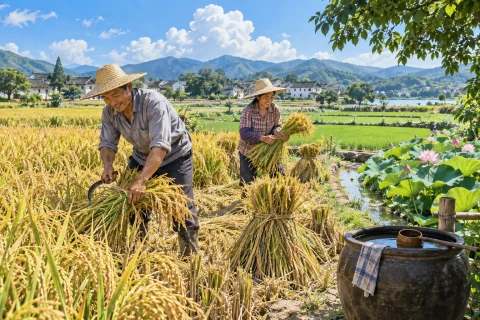 大暑
Major Heat
Make support workable across several difficult days
Explore →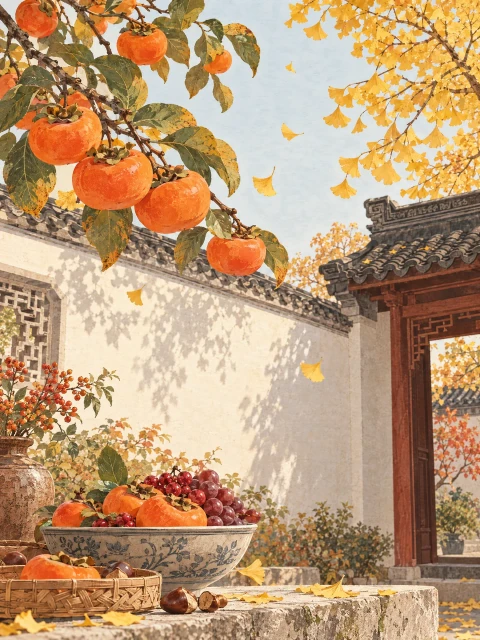
Gather
Autumn
Edit the noise. Keep what matters close.
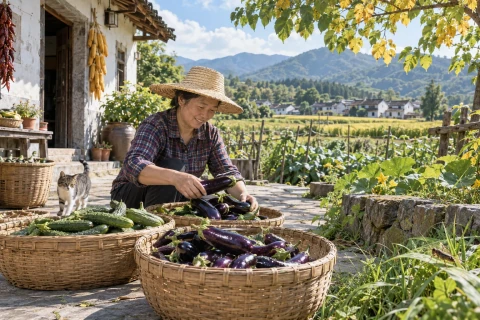 立秋
Beginning of Autumn
Let the weather guide the change
Explore → 处暑
End of Heat
Choose when to resume outdoor activity
Explore →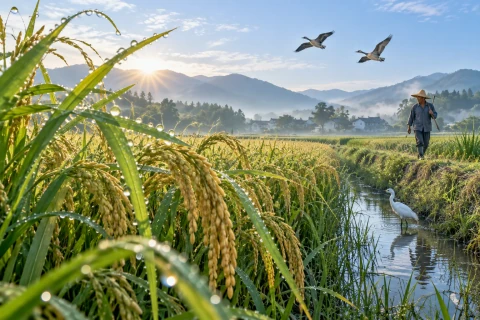 白露
White Dew
Prepare for the journey home as well as out
Explore →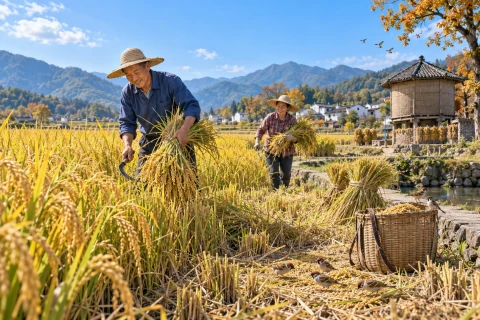 秋分
Autumn Equinox
Make the new weekly timetable workable
Explore →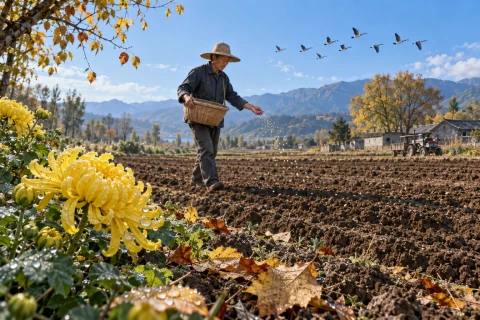 寒露
Cold Dew
Make warmth and moistening easy to repeat
Explore → 霜降
Frost Descent
Prepare an alternative for difficult outdoor days
Explore →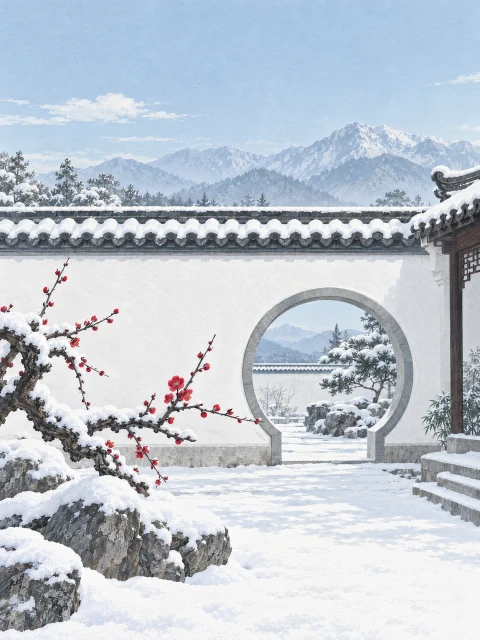
Conserve
Winter
Rest is part of a rhythm, not a reward.
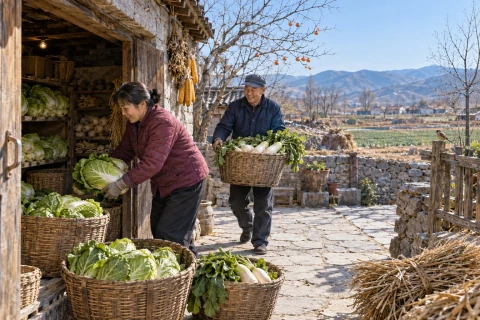 立冬
Beginning of Winter
Give recovery a place in the week
Explore →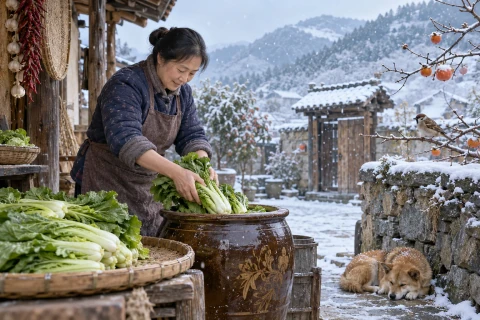 小雪
Minor Snow
Stuck indoors all day?
Break up a long indoor day
Explore →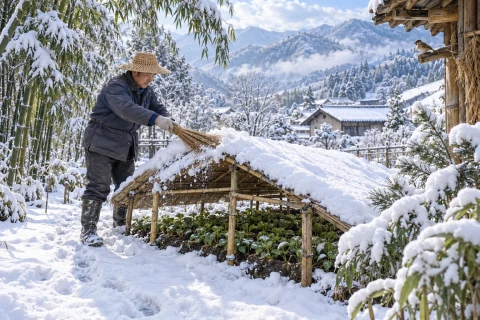 大雪
Major Snow
Winter cancelled your plans. Now what?
Keep food, movement and contact within reach
Explore →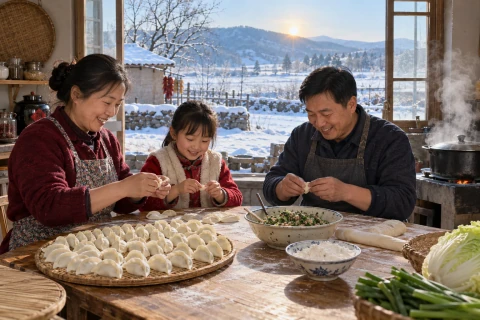 冬至
Winter Solstice
Dark before your day is done?
Arrange the day around your local light
Explore →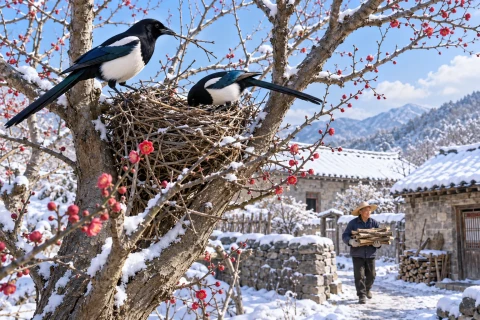 小寒
Minor Cold
Plan the start and finish of one activity
Explore → 大寒
Major Cold
Keep what worked and adjust one next step
Explore →Astronomy reference: Hong Kong Observatory · The 24 Solar Terms
Sources behind this page
Classical passages explain the traditional framework. Contemporary references support the practical guidance described below. A cited organisation has not reviewed or endorsed this website.
- Hong Kong Observatory: Gregorian–Lunar Calendar Conversion Tables Calendar reference · Source check:
Calendar dates and astronomical definitions; not local weather, holiday schedules or medical guidance.
- Hong Kong Observatory: published Chinese New Year dates Calendar reference · Source check:
Calendar dates and astronomical definitions; not local weather, holiday schedules or medical guidance.
- Hong Kong Observatory: the 24 solar terms Calendar reference · Source check:
Calendar dates and astronomical definitions; not local weather, holiday schedules or medical guidance.
Dates identify editorial source checks, not independent medical review. Read how the guides are prepared →