Seasonal care · 四时调养
Four seasons, four approaches to daily care
Understand spring–summer nourishment of yang and autumn–winter nourishment of yin, then apply them to daily priorities.
春夏养阳,秋冬养阴,以从其根。素问 · 四气调神大论

Classical anchor · 素问 · 四气调神大论
春夏养阳,秋冬养阴,以从其根。
Editorial translation
Nourish yang in spring and summer, and yin in autumn and winter, following their root.
Meaning in context. In the chapter’s account, care follows emergence, flourishing, gathering, and storage. Yang is not the only thing to nourish; autumn–winter gives attention to inward settling and conserving. Winter also says not to disturb yang.
Application today. Let periods of activity include recovery. As your routine becomes quieter, preserve rest and nourishment while maintaining suitable movement.
Reading limit
Yangsheng is broader than adding heat or taking tonics. Interpretations vary; these are short editorial readings, not a settled clinical formula.
Classical anchor · 素问 · 异法方宜论
杂合以治,各得其所宜。
Editorial translation
Combine methods in treatment so that each receives what is suitable.
Meaning in context. The original chapter discusses regional differences, ways of living, and treatment. Its direct subject is clinical practice. Applying the principle to everyday scheduling is an editorial extension.
Application today. Adapt practical timing to actual heat, cold, shift work, and the resources available. A calendar date helps organise reading but does not override circumstances.
Reading limit
Neither nationality nor a geographic direction determines a person’s treatment.
Why both yin and yang matter
“Spring and summer nourish yang; autumn and winter nourish yin” gives a paired principle. Nourishing includes supporting and conserving, not only supplementing. Winter also asks that yang not be disturbed. In daily application, activity needs recovery and inward settling still leaves room for movement.
Spring: allow a beginning
The traditional emphasis is emergence. In practical life, resume activity gradually, keep sleep adequate, and avoid turning renewed energy into overwork.
Summer: activity with recovery
Flourishing does not mean maximal effort. Adapt exercise to heat, keep drinking water available, maintain meals, and protect sleep despite longer evenings.
Autumn: gather a steady routine
The traditional emphasis on gathering can become a manageable evening routine, continued moderate movement, and fewer unnecessary demands. Seasonal fruit and soup remain food rather than cough treatments.
Winter: conserve without becoming inactive
Prioritise rest and comfort, use gradual warm-ups, and keep meals varied. Neither prolonged inactivity nor strong warming supplements follows automatically from “storage.”
Use the appropriate setting
These seasonal ideas developed in a Chinese historical setting. Overseas readers should adapt to their actual heat, cold, working hours, and health circumstances. The calendar provides a time reference; it does not diagnose the body.
Apply the idea
Which one adjustment can you sustain without adding strain?
中文要点 · Chinese summary
春生、夏长、秋收、冬藏是调养总纲:春季逐步恢复活动,夏季顾护休息与补水,秋季稳定节律,冬季保暖休养但不废活动。四季并非四套人人通用的处方,海外用户要结合当地冷热、作息与个人情况。
Follow a related idea.
 Spring: Support emergence without exhausting yourself →
 Summer: Allow activity while protecting rest and fluids →
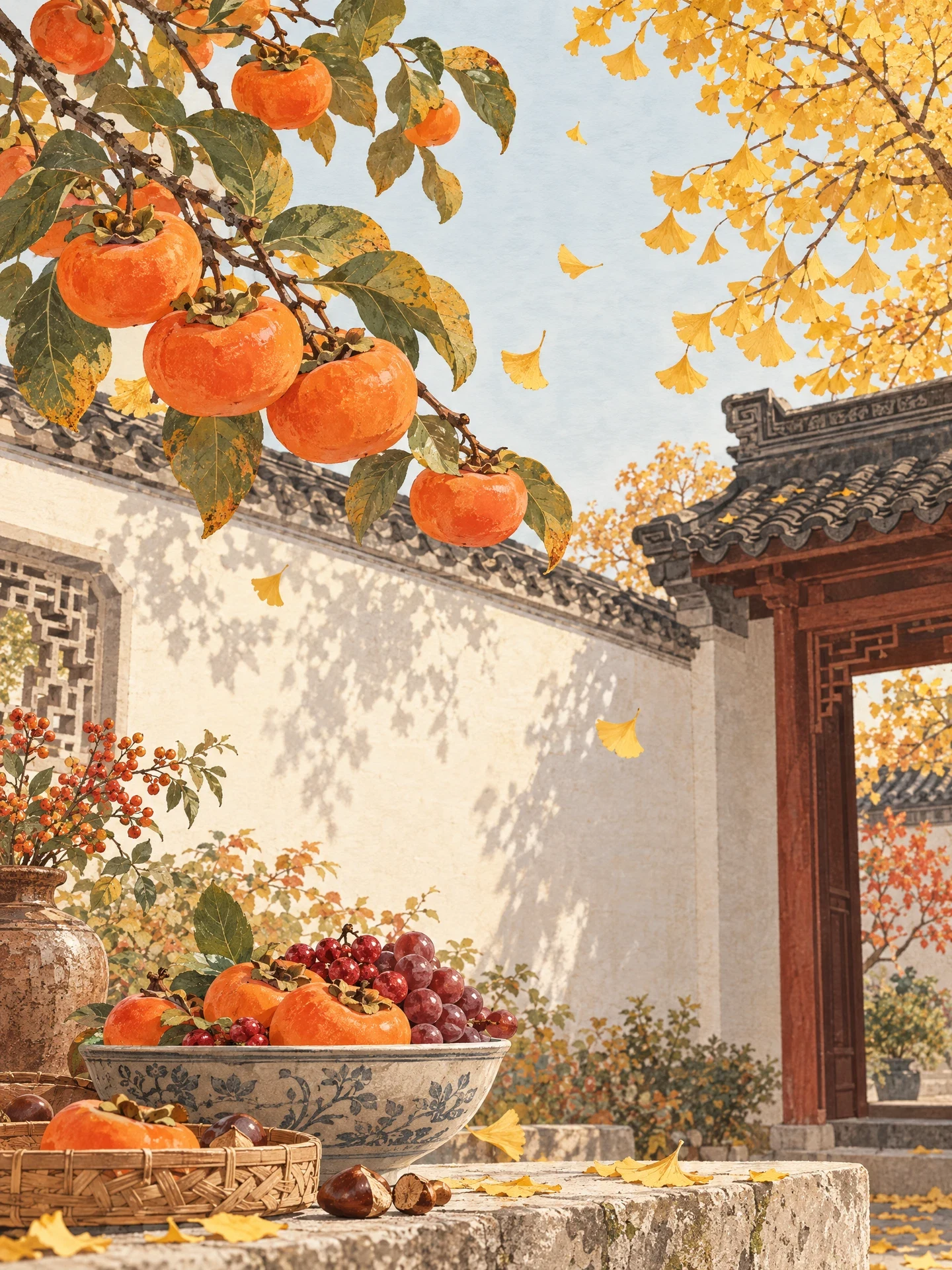 Autumn: Gather a sustainable rhythm rather than withdraw completely →
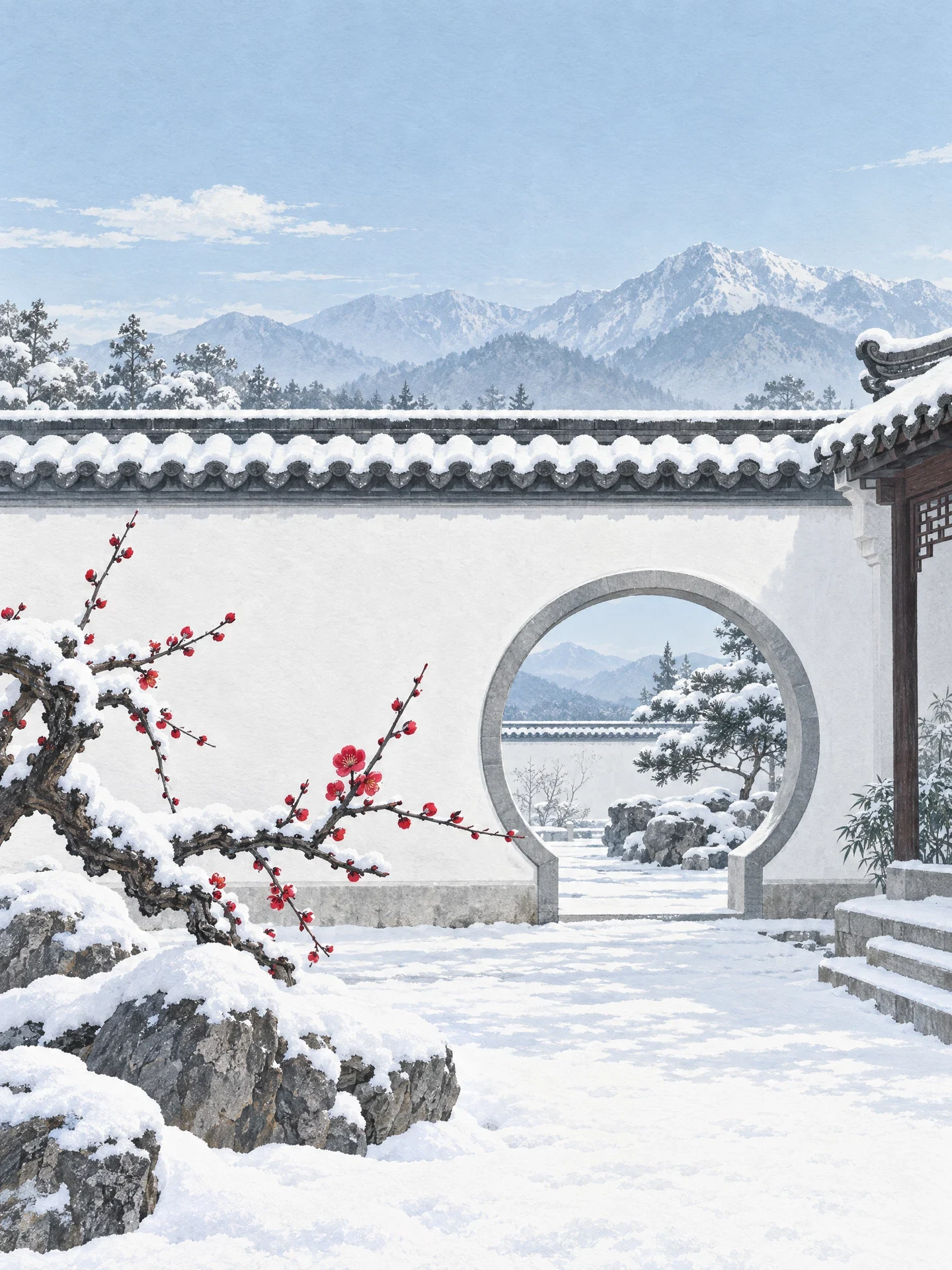 Winter: Conserve energy while keeping gentle activity →
A word unfamiliar? Read the short glossary →
素问 · 四气调神大论; 素问 · 异法方宜论. Chinese excerpts: Chinese Text Project. English renderings and present-day examples: our editorial work.
Other classical context in this guide: Suwen · 上古天真论; 四气调神大论.
Additional context: NHLBI · Healthy Sleep Habits.
Additional context: WHO · Guidelines on physical activity and sedentary behaviour.
Additional context: WHO · Healthy diet.