Traditional reference · 体质与辨证思路
Constitution & patterns: find a useful direction
Connect recurring combinations of experiences with qi, yang, yin, dampness and emotional regulation, using nine common constitution terms as a reference.
人之生也,有刚有柔,有弱有强,有短有长,有阴有阳。灵枢 · 寿夭刚柔
A modern traditional classification
Nine constitution terms to recognise.
Read the features together with your longer-term experience. Mixed tendencies and changes over time are common topics in traditional assessment.
平和质
Balanced
Features discussed. Relatively steady energy, sleep, digestion and adaptation.
Care direction. Maintain a workable balance of activity, rest and varied meals.
Read the daily application →气虚质
Qi-deficient tendency
Features discussed. Recurring low stamina, a weak voice, easy sweating or tiredness after modest effort.
Care direction. Support qi through regular nourishment, sufficient rest and gradually paced movement.
Read the daily application →阳虚质
Yang-deficient tendency
Features discussed. A recurring preference for warmth, cold-sensitive limbs and low stamina.
Care direction. Care for warmth and recovery; combine comfortable clothing with regular cooked meals and gentle activity.
Read the daily application →阴虚质
Yin-deficient tendency
Features discussed. Recurring dryness, warm palms or soles, and a tendency to feel warm or unsettled at night.
Care direction. Conserve rest and fluids; make evenings quieter and reduce habits that repeatedly leave you overheated or sleep-deprived.
Read the daily application →痰湿质
Phlegm-damp tendency
Features discussed. A recurring sense of heaviness or sluggishness, often discussed with digestive fullness and phlegm.
Care direction. Support digestion with measured meals, a lighter balance of rich foods, and regular manageable activity.
Read the daily application →湿热质
Damp-heat tendency
Features discussed. Heaviness accompanied by heat signs, such as a bitter taste or a tendency toward oily skin.
Care direction. Review alcohol, rich spicy meals, long late nights and humid conditions; keep food and rest regular.
Read the daily application →血瘀质
Blood-stasis tendency
Features discussed. Traditional assessment pays attention to fixed discomfort and circulation-related findings across a person’s history.
Care direction. Build regular movement breaks and discuss persistent fixed pain or unexplained bruising with a clinician.
Read the daily application →气郁质
Qi-stagnant tendency
Features discussed. A recurring tendency toward emotional constraint, sighing and a sense of tension or fullness.
Care direction. Give the day space to unfold: comfortable movement, fewer competing demands and supportive conversation.
Read the daily application →特禀质
Special / allergic tendency
Features discussed. A tendency toward allergies or particular sensitivities in the modern traditional classification.
Care direction. Identify established triggers and follow your allergy plan; choose fragrance-free surroundings when scent is a trigger.
Read the daily application →Classical anchor · 灵枢 · 寿夭刚柔
人之生也,有刚有柔,有弱有强,有短有长,有阴有阳。
Editorial translation
People differ in firmness and softness, weakness and strength, shortness and length, yin and yang.
Meaning in context. The passage introduces differences between people in a clinical discussion. It supports attending to the person rather than assuming one seasonal method fits everyone.
Application today. An experienced exerciser, someone returning after illness, and a person working nights may need different routines. Start with current ability and established care needs.
More about the reading context
This passage does not validate an online constitution diagnosis or prediction of lifespan from appearance.
Classical anchor · 素问 · 生气通天论
阴平阳秘,精神乃治。
Editorial translation
When yin is balanced and yang is securely maintained, essence and spirit are ordered.
Meaning in context. The aim is a coordinated relationship: support and containment belong with activity and warming. Nourishing yang makes sense within this relationship.
Application today. Pair activity with recovery and warmth with comfort. After a tiring day, reducing the next demand can be more appropriate than adding another stimulating practice.
More about the reading context
This is a traditional account, not a claim that yin and yang can be measured as equal quantities.
A tendency and a current pattern
Constitution (体质) concerns relatively enduring tendencies in how a person feels and adapts. A pattern (证) organises the current combination of findings. A generally cold-sensitive person can still experience an acute heat-related problem; daily choices should follow the situation as well as the longer-term tendency.
Read combinations rather than a single word
For example, low stamina with a weak voice and easy sweating leads toward qi support. Add recurring cold sensitivity and the yang discussion becomes relevant. Dryness with nighttime warmth directs attention toward yin and fluids. This is how a traditional explanation becomes a meaningful reading direction.
Where the nine constitutions come from
Modern Chinese constitution teaching commonly uses nine basic types. China’s GB/T 46939—2025 standard, effective 1 April 2026, formalises classification and assessment. The brief cards here introduce that vocabulary; they are editorial summaries, separate from the standard’s questions and scoring. The Neijing supplies broader foundations of individual difference, rather than this modern nine-type list.
Turn the direction into daily priorities
Supporting qi can begin with meals, rest and gradual movement. Caring for yang adds suitable warmth. Nourishing yin gives greater weight to recovery and moistening. Resolving dampness brings measured food, digestion and activity into focus. Regulating qi and shen directs attention to emotional demands and an easier daily rhythm.
Apply the idea
Which recurring situation fits your day, and which small adjustment is practical?
中文要点 · Chinese summary
体质讲较长期倾向,证候讲当前多项表现的组合,两者会受环境、作息与疾病影响。气虚重在益气与恢复,阳虚兼顾温养,阴虚顾护津液与休息,痰湿关注脾运与饮食,气郁关注气机与调神。九种体质是现代中医分类,页面用于了解特点和调养方向,并非实施国标计分判定。
Follow a related idea.
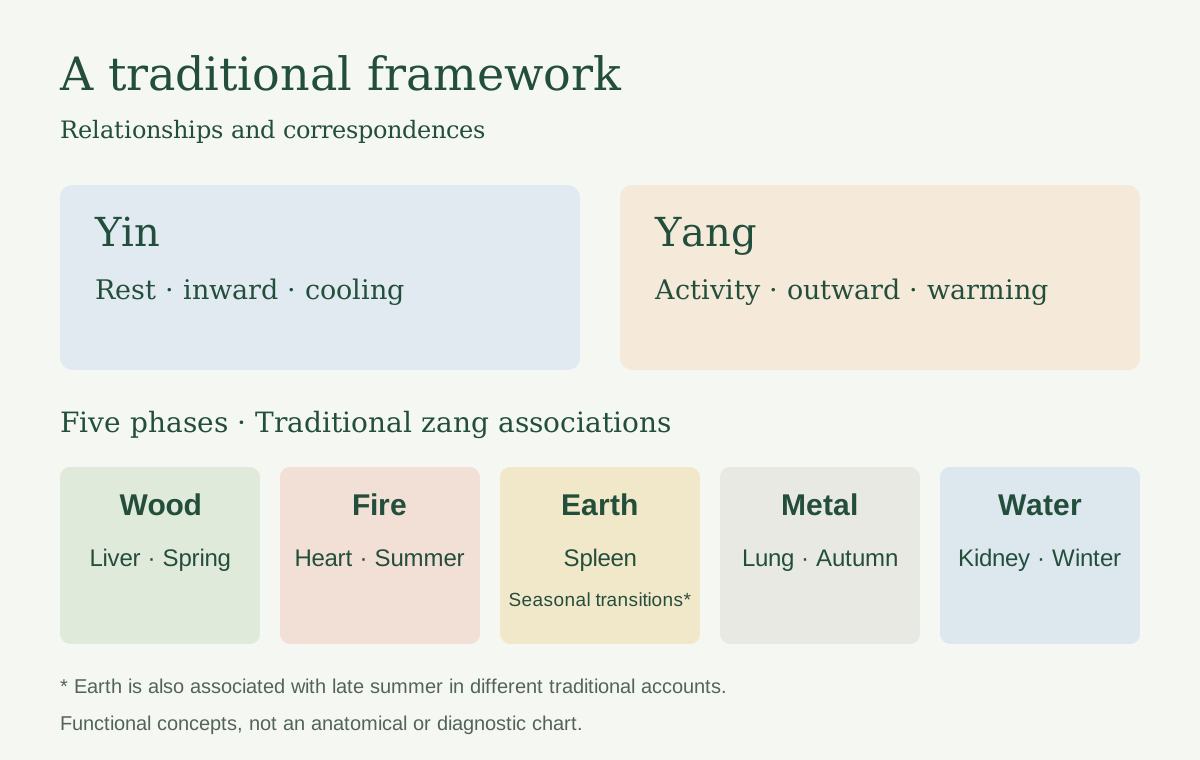 Yin–yang, five phases and the functional body →
 Nourishing yang: warmth, activity and recovery →
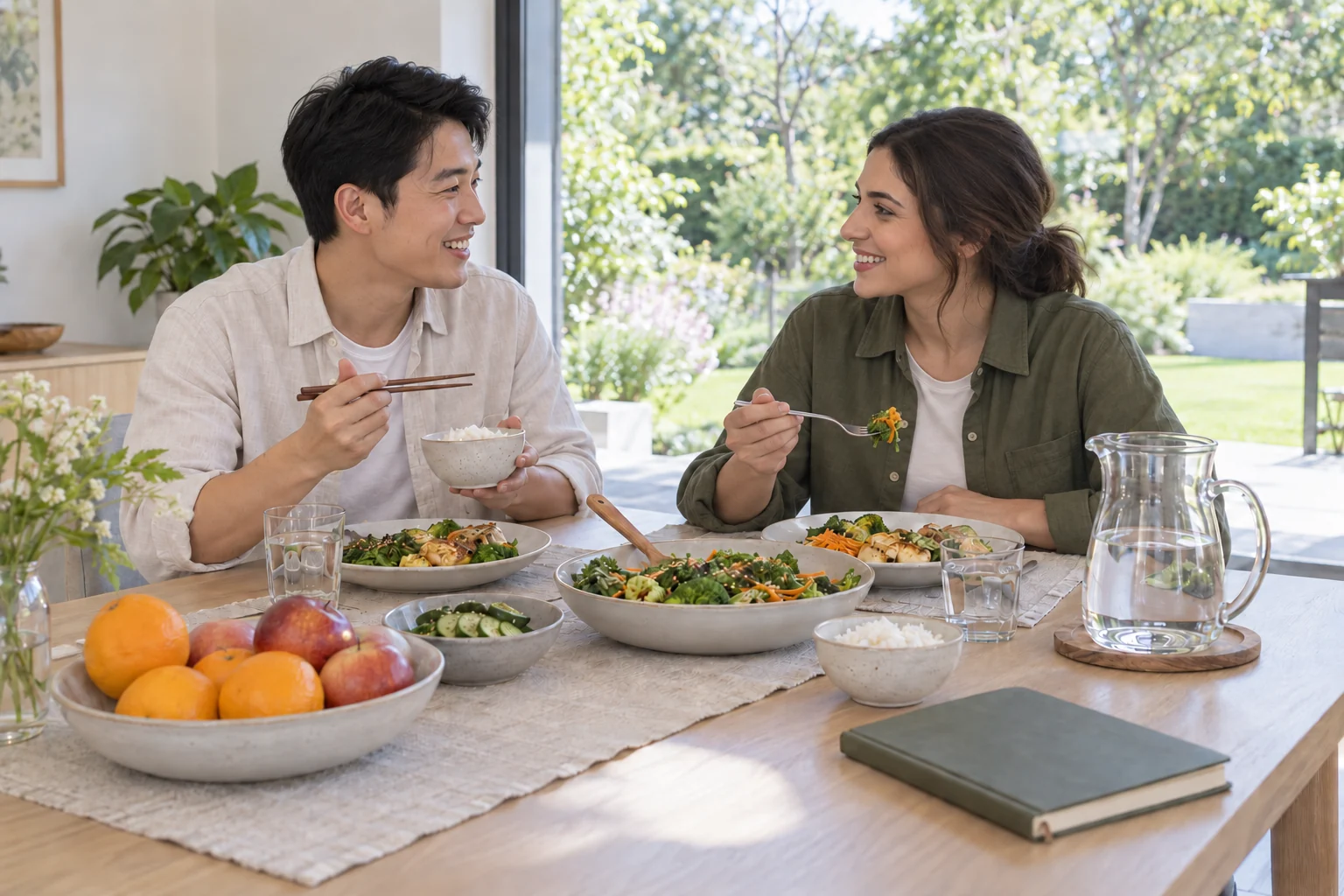 Dampness & digestion: make the care direction practical →
A word unfamiliar? Read the short glossary →
灵枢 · 寿夭刚柔; 素问 · 生气通天论. Chinese excerpts: Chinese Text Project. English renderings and present-day examples: our editorial work.
Additional context: SAMR · 中医体质分类与判定国家标准首次制定发布 · 19 January 2026.
Additional context: Shanghai Yangpu · Traditional constitution education · 15 April 2024.